

Note from our Editor-in-Chief: Next Wednesday marks three years since the horrific October 7 attack on Israel and the Israeli genocide in Gaza that followed. We’re planning a full week of coverage, including reported pieces, essays and interviews, as well as an in-depth monologue from me that you won’t want to miss. If you’re not already a paid subscriber, become one today to get full access to all of Zeteo UK’s October 7 coverage and more. – Mehdi
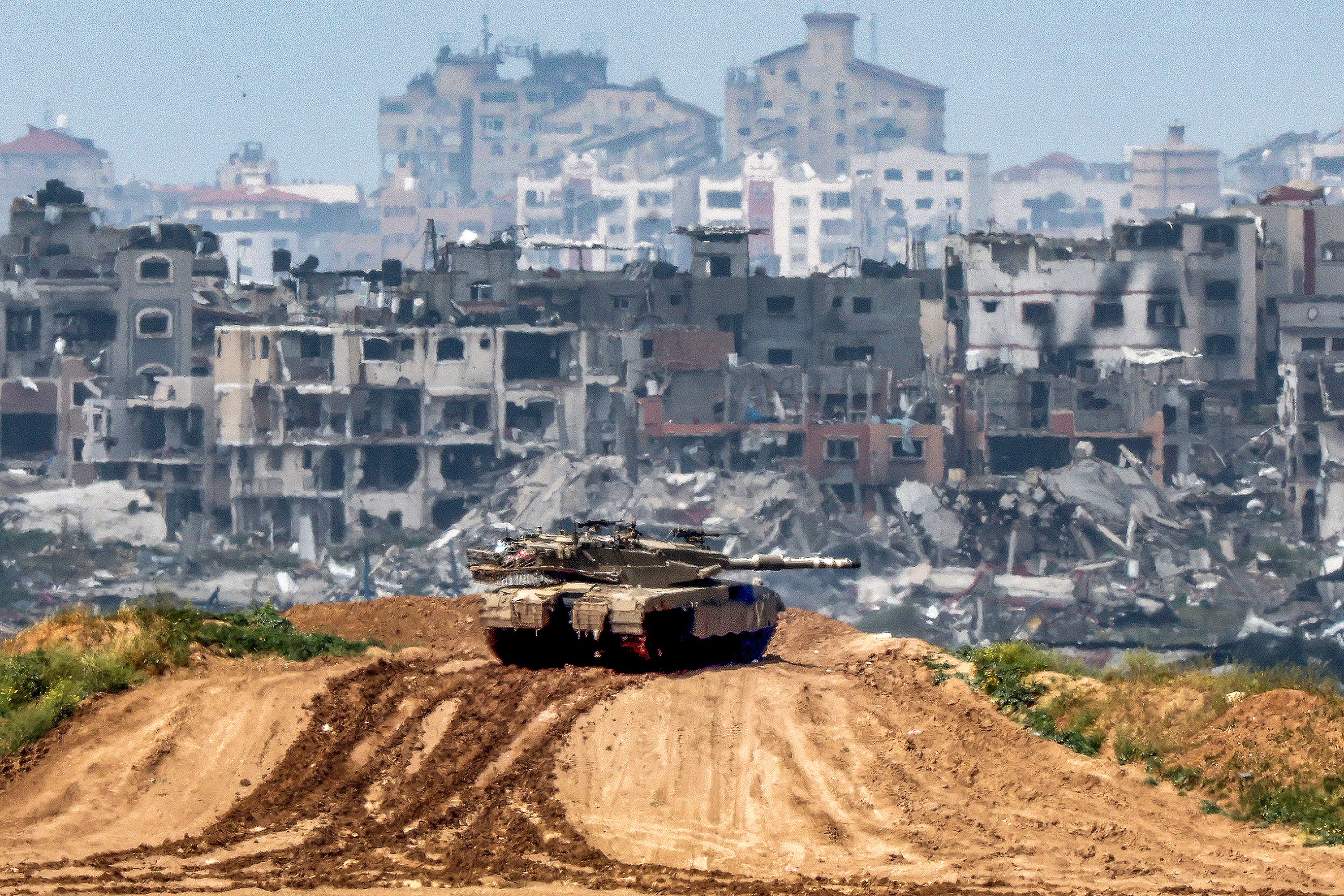
The elements of genocide are well established in international law. By March 2024, UN Special Rapporteur Francesca Albanese had found there were reasonable grounds to believe that Israel was in the process of committing genocide in Gaza. Multiple international bodies have since reached the same conclusion. But genocide does not fully capture the scale of destruction wrought. The assault has been not only on the people of Gaza, but on the environment that makes life possible. That is, in addition to genocide, there is a credible case to be made that, given the widespread, long-term and severe environmental destruction in Gaza, Israel has committed ecocide as well. Destroying the environment in war is already technically a war crime under the Rome Statute, though no one has ever been charged under that provision, and ecocide itself is not yet a crime in international law.
The most recent official counts reported through the UN push the human death toll among Palestinians above 73,000, the cost of reconstruction is estimated at $71.4 billion, and nearly every piece of institutional and physical infrastructure has been destroyed. The bombardment of Gaza and the house-by-house, greenhouse-by-greenhouse demolitions that followed have created 61 million tonnes of debris, almost 10 million of which are at high risk of asbestos and heavy metal contamination. In many cases it is difficult to even assess the scale of water pollution, or of toxic substances in the soil, or of cancer-causing chemicals blowing in the breeze because virtually all of Gaza’s capacity to measure these things – the labs, the equipment and the people who know how to use them – has been destroyed.
But what we do know is harrowing.