


A note from our Editor-in-Chief:
Thank you for subscribing to Zeteo UK. We are still in soft-launch mode till September as we finish recruiting our team, but given the craziness of the British news cycle right now, we will be publishing stories and op-eds on a semi-regular basis between now and then. Please do become a paid subscriber today so you can read and watch all of our Zeteo UK original content without hitting a paywall – and also so you can help fund independent journalism in Britain. - Mehdi Hasan
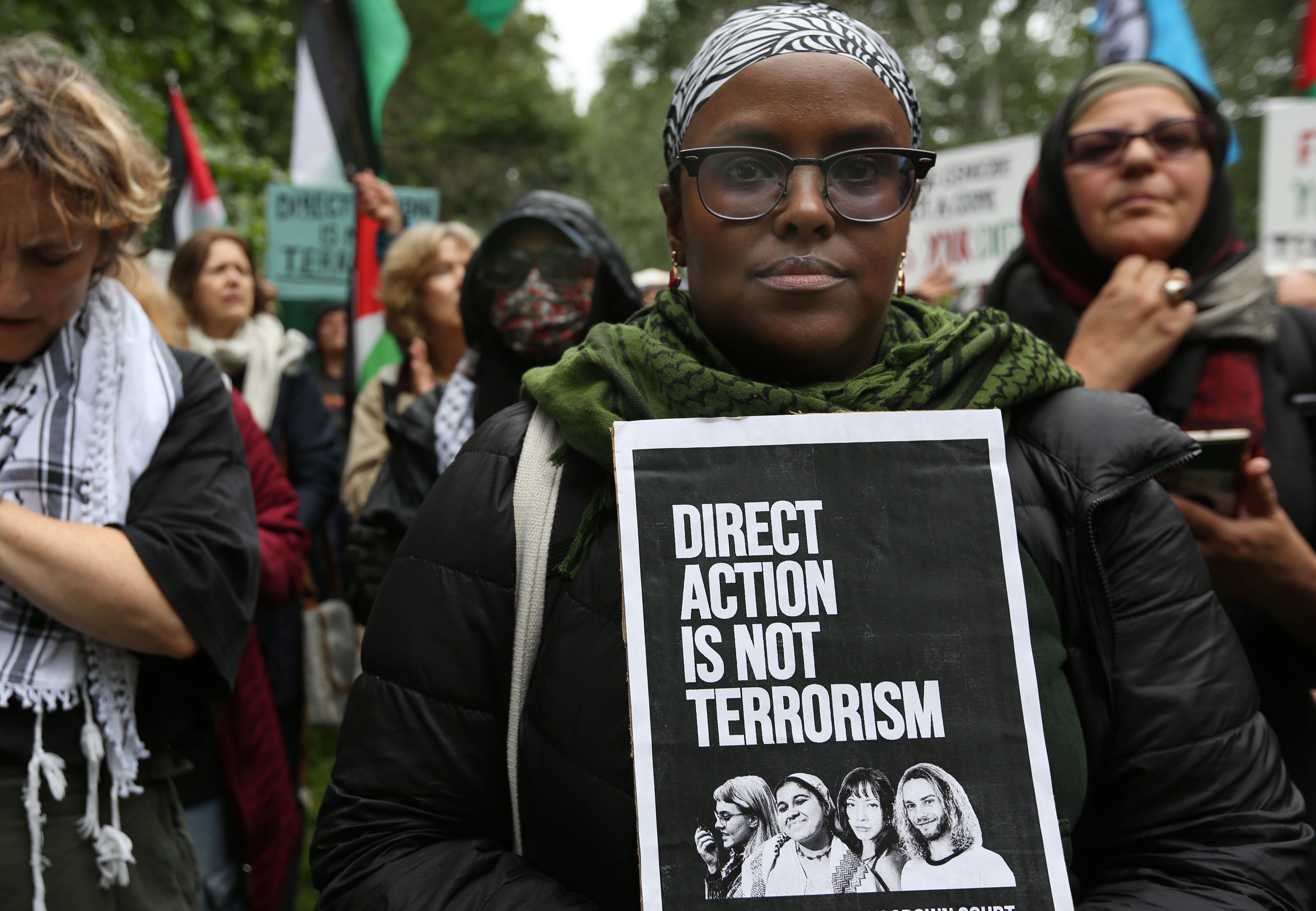
In more than 25 years of practising criminal law, including working on some of the most serious terrorism cases brought before the courts, I never thought I would see terrorism legislation deployed in a way that so fundamentally blurs the line between genuine threats to public safety and acts of political protest as I did in the sentencing of the so-called Filton 4.
In 2024, Palestine Action activists broke into an Israeli arms factory in Filton, near Bristol, where they destroyed “military assets” including drones and other equipment, with the stated aim of preventing weapons being used in war crimes. In May this year, a jury found four of the activists guilty of criminal damage. The judge, Mr Justice Johnson, ruled there was a “terrorist connection” to their offending and imposed heavy sentences ranging from four years and eight months to eight years and eight months.
Whatever view one takes of the defendants’ actions, the route taken in this case raises profound questions about the direction of our justice system and the future of protest. Those who welcome terrorism powers being used against pro-Palestinian activists today would be appalled to see them used against anti-immigration protesters, farmers or trade unionists. But that is how these powers will travel. They will expand far more easily than they contract.
The protest at Elbit was not a peaceful sit-in. Serious damage was caused, and a police officer was injured, leading to a conviction of one of the defendants for inflicting grievous bodily harm, though the jury acquitted on the allegation that there was any intent to cause serious injury.
But acknowledging the seriousness of the conduct is not the end of the debate.