


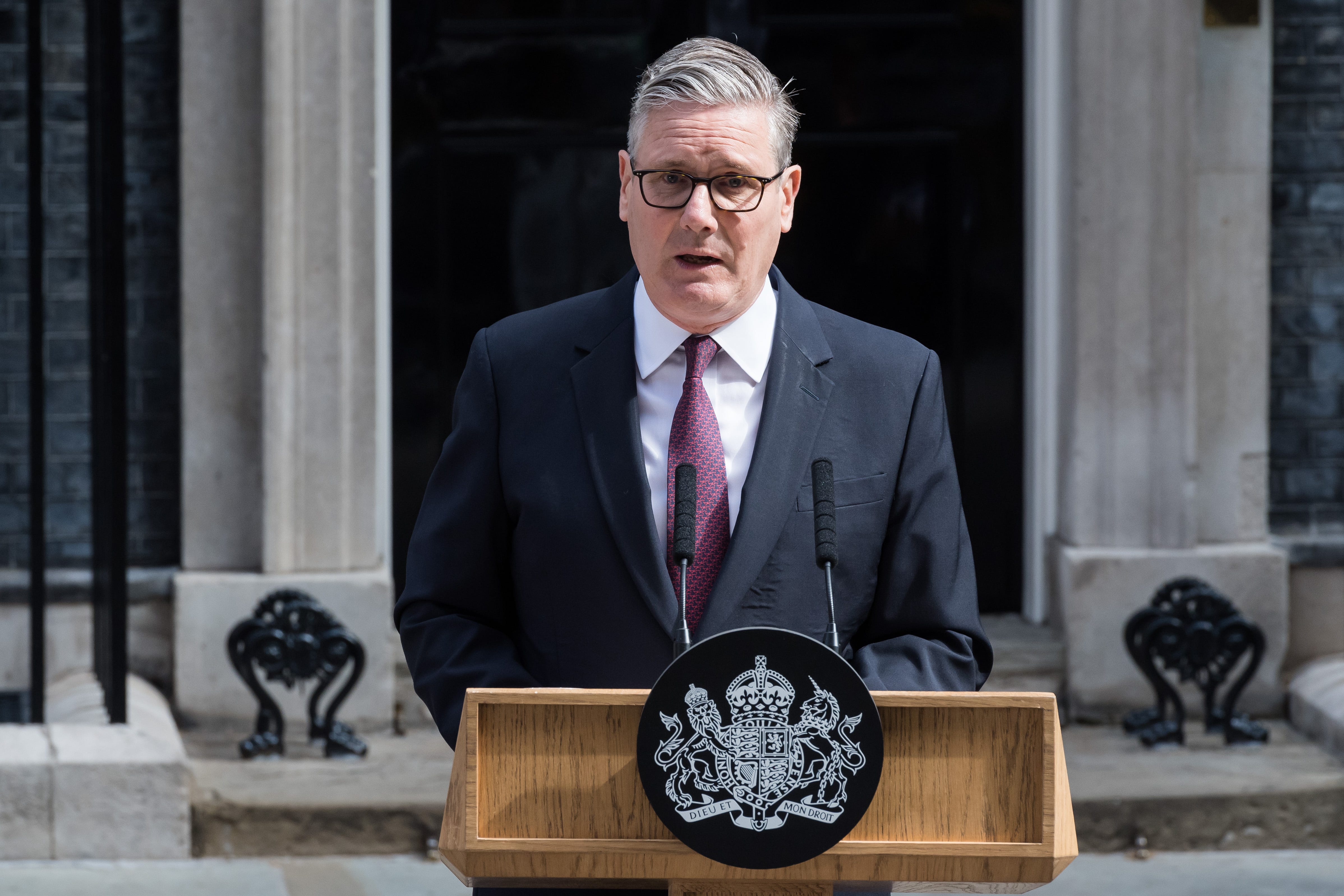
Two years ago, almost to the week, Keir Starmer walked the length of Downing Street through a corridor of waving flags and outstretched hands. Staffers wept. Supporters reached over the barriers to shake his hand. He had delivered a Commons majority of 174 — the largest of anyone in the post-war era other than Tony Blair’s 1997 landslide — and had become only the fourth Labour leader in history to have delivered his party a majority. The people lining the street that July day believed they were watching the opening day of what should have been a decade in office. Not one of them would have written the ending that came this morning, when the same man returned to the same door to tell the country his time as prime minister was finished.
The temptation now is to treat the fall as sudden: the product of a bad set of election results in May and a fortnight of cabinet knife-work. It was none of those things, or rather it was all of them and more that contributed to this downfall — which quite frankly was always written into the 2024 victory.
Start with the majority itself, because it was never the thing it appeared to be: 174 seats, yes — but won on barely a third of the votes cast, on the lowest turnout since 2001 and on fewer votes than Jeremy Corbyn had managed in defeat in 2019. It was less a landslide than the most efficient distribution of public indifference in modern electoral history. Labour did not win so much in 2024: the Conservative vote shattered and Starmer’s party walked through the gap. He arrived in Downing Street carried not by a wave of enthusiasm but by a tide going out everywhere else. There was no great surge of belief in him, no national clamour for what he stood for — in part because it was never quite clear what that was. The grandest majority in a generation sat on the shallowest of foundations — which meant MPs in particular knew they were not safe and were vulnerable to other parties if things went wrong.
From day one it was clear that vulnerability was present. When I was covering the 2024 general election campaign, I was embedded with Rishi Sunak’s team and the most persistent criticism from him, from economists and even from some of Labour’s own candidates, was that the Labour manifesto did not add up. You could keep the self-imposed fiscal rules. You could decline to raise the big taxes. You could pursue the ambitious, expensive, country-remaking agenda Labour kept describing. You could promise to do it all but ultimately you could never properly do all three of those things together. Starmer took office boxed into a corner of his own construction, and almost every wound that followed was an attempt to wriggle out of it.
The winter fuel payment was the first and most revealing. A cut was announced with conviction as the government entered office, defended with discipline, and then reversed once the political capital had been spent and nothing had been bought with it. The same arc repeated over the cuts to disability benefits, where his own MPs — the ones who had been whipped to defend the indefensible — rebelled and forced a retreat. Each U-turn was sold as listening. Each was, in fact, the sound of a government discovering too late that it could not afford the thing it had already announced.
For two years, Labour backbenchers have been telling me a version of the same complaint: