


A note from our Editor-in-Chief:
Thank you for subscribing to Zeteo UK. We are still in soft-launch mode till mid-September as we finish recruiting our team, but we will be publishing stories and op-eds on a semi-regular basis. Please do become a paid subscriber today so you can read and watch all of our Zeteo UK original content without hitting a paywall – and also so you can help fund independent journalism in Britain. - Mehdi Hasan
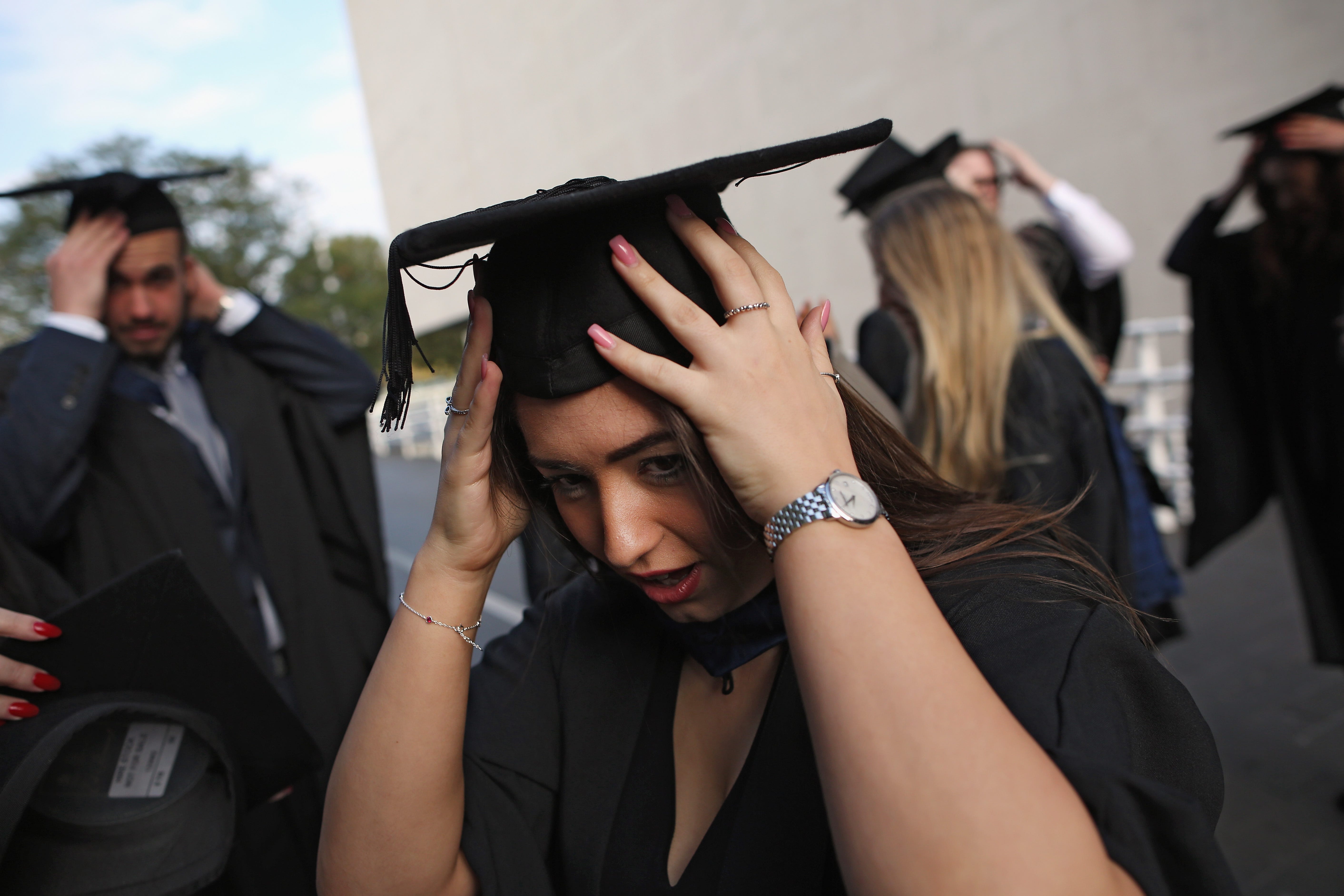
Ten years ago I finished my undergraduate degree owing £42,139: a sizeable chunk, but totally necessary for me to afford the privilege of studying at university. I have been in work continuously ever since and when I checked earlier this year, I had paid back £21,045 so far, yet my balance stood at £44,727.
That is not a typo – a decade of repayments has moved my debt £2,500 in the wrong direction, and the system is working exactly as designed. I will most probably be paying this debt for 30 years and I will almost certainly pay back far more than I borrowed, while my peers with wealthy parents who paid the fees upfront have no such issue.
According to new figures reported in the Financial Times, I am not alone in having this problem. The average Russell Group graduate repaying a Plan 2 loan (the one I have, which came in 2012) owes £52,412. They, like me, took the advice that all students, Russel Group or not, were given growing up: do the demanding course, go to the best university you can, move to a city far from where you grew up. You follow every instruction in the social mobility handbook, but it turns out the system sends you a huge bill for it.
So how did this happen?