


When I was younger I was the anomaly in my family as the only left-handed person. Nobody could really explain it. At school I had few contemporaries. Most of my classmates were “righties”. The teachers attempted to accommodate my left-handedness – I was offered a different desk, and special left-handed scissors. I didn’t need any of these, but it was nice to know they were there. I was growing up in an era of left-handed acceptance.
This was not the case in the 1950s, when children were forcibly corrected to write with their right hand in an attempt to “cure” their left-handedness, which was seen as a defect. As this cruel practice declined, recorded prevalence of left-handedness rose dramatically over the following decades, reaching around one in 10 people. Were all these lefties bandwagoning on the newly acquired acceptance? It turns out changing social attitudes, the loss of stigma and the abandonment of forced correction helped reveal left-handed people who had previously been made to conform as right-handed.
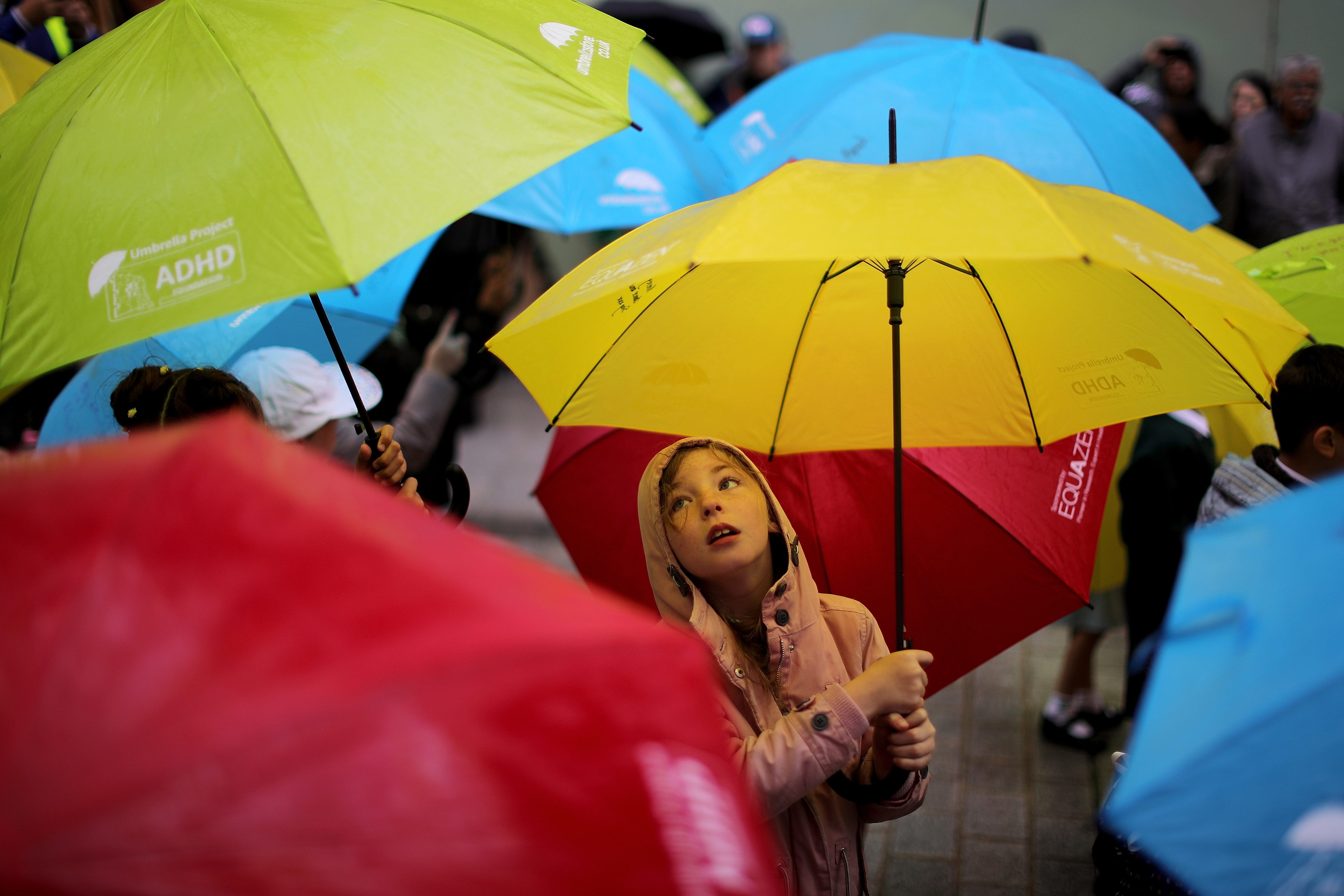
Fast-forward to 2026 and a similar question about recognition and prevalence is being asked of anxiety, depression, ADHD and autism, particularly among young people. These conditions have found themselves catapulted to the forefront of a concerted campaign to curtail disability support amid a ferocious culture war in which an entire generation has been dismissed as “snowflakes”.
