


Note from our Editor-in-Chief: As part of Zeteo UK’s week of coverage to mark the three years since the horrific October 7 attack on Israel and the Israeli genocide in Gaza that followed, we thought you might find this piece by Muhammad Shehada, a Palestinian political analyst from Gaza, a worthwhile read – it was first published on Zeteo earlier this week. If you’re not already a paid subscriber to Zeteo UK, become one today to get full access to all of Zeteo UK’s content and to help fund independent journalism in Britain. And if you’re currently only a Zeteo UK subscriber but want to get more content like this from Zeteo as well, consider upgrading to our bundle option. – Mehdi
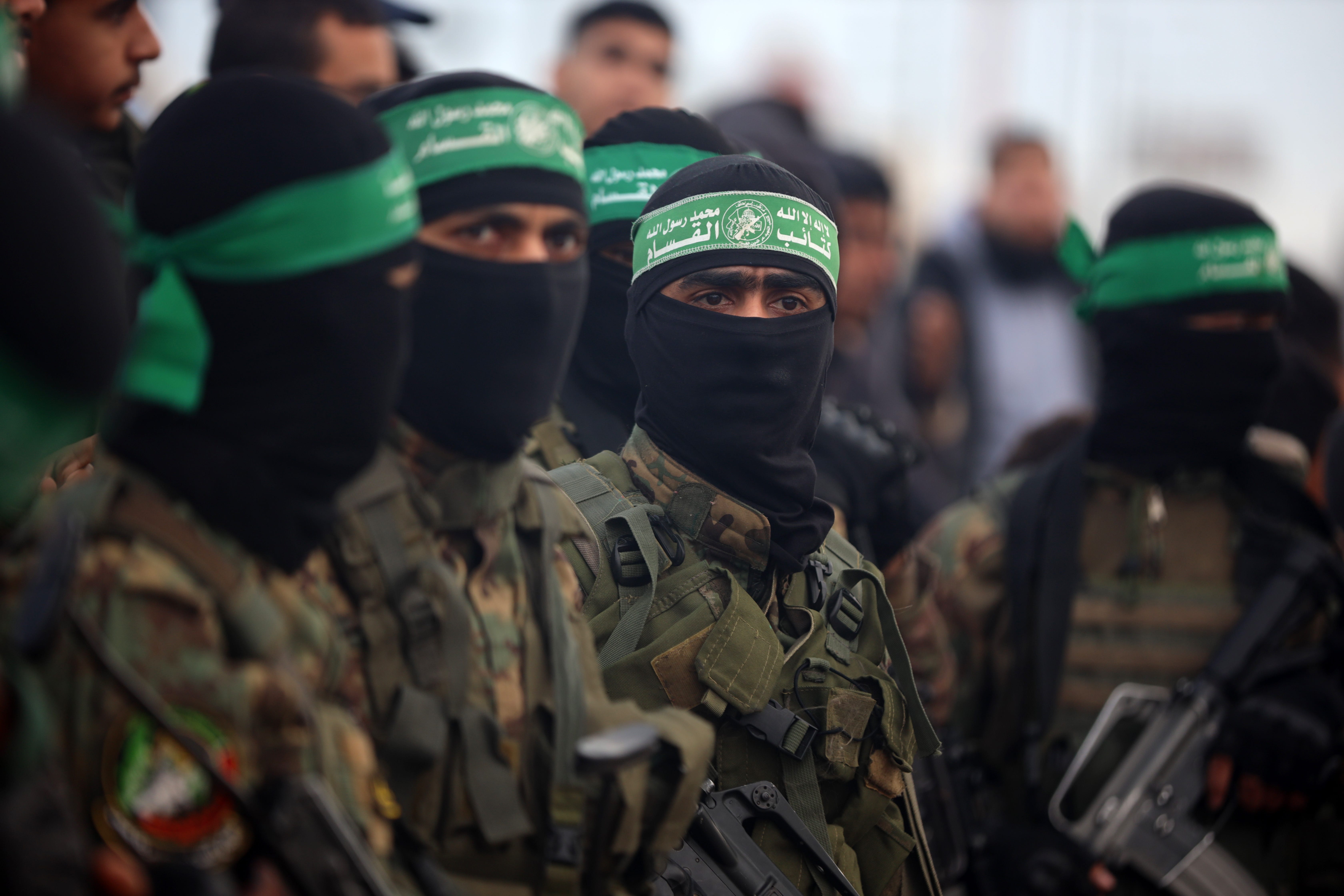
Three years after Hamas launched its deadliest attack on Israel, the group finds itself in perhaps its worst predicament since its inception. The movement that has built its identity and purpose around armed resistance has come to realize that its weapons in Gaza won’t move the needle, but it can’t find a viable alternative to coalesce around.
Despite Israel killing more than 1,450 Palestinians since the Trump-brokered ceasefire of October 2025 went into effect, including many of Hamas’s top militant commanders, its militants haven’t fired a single bullet or rocket at Israel or its military in retaliation (Hamas has denied Israel’s accusations that the group has violated the ceasefire). In July, Hamas begrudgingly agreed to lay down its arms in Gaza in return for Israeli withdrawal. The group’s leaders even ceased their fiery speeches, rhetorical threats, and public spectacles of strength. Their latest statements focus more on survival than liberation. Hamas is now divided between those who call October 7 a “disaster” and a “strategic mistake,” and those who feel compelled to use Yahya Sinwar’s legacy to maintain popularity and legitimacy among the movement’s supporters.
How did Hamas get here? Where does the movement stand today? And what comes next?