


A note from our editor-in-chief: I am delighted to welcome Afua Hirsch to Zeteo UK as a monthly columnist and contributor. A barrister by training who later reported for both the Guardian and Sky News, she is a journalist, filmmaker and author of ‘Brit(ish): On Race, Identity and Belonging’ and ‘Decolonising My Body’. Afua explores identity, culture and justice. Her pieces for Zeteo UK will sit behind a paywall – so please do support independent journalism and become a paid subscriber to Zeteo UK today. - Mehdi
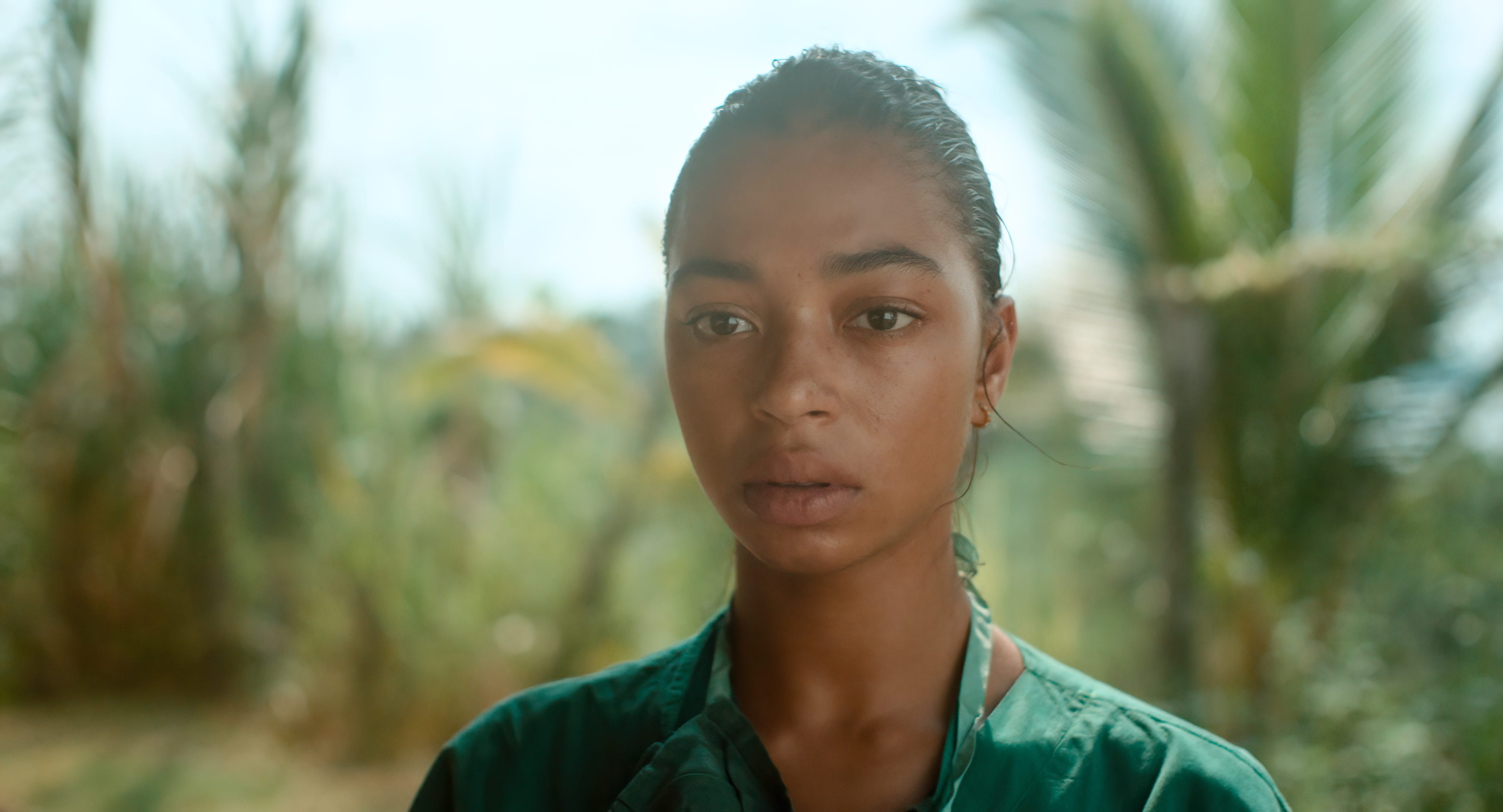
In the opening moments of the film ‘Muganga: The One Who Treats’, a middle-class French family is sitting down to lunch. A mother, father, and their young children gather around a dining table, light streaming in. The doorbell rings, and the mother gets up, thinking it’s a friend or a neighbour. Instead, French soldiers force their way in and rape her in front of her family.
It’s a hard scene to watch, and I almost feel apologetic for sharing it. But there is nothing gratuitous about this scene; nor is it the most distressing thing about this film. ‘Muganga’ is about the ongoing war in the eastern Democratic Republic of Congo (DRC), and the focus soon switches from the suburbs of Paris to a Congolese woman in Bukavu. In the latter’s case, her family members lie murdered around her as her attack continues, and the white French woman’s ordeal fades away.