


Championing his decision to impose sanctions on Israeli settlement activities, Prime Minister Andy Burnham declared last week, “Britain has to stand for fairness against injustice … we will always stand with the underdog and take what action we can to support them. That is leadership on the world stage.” First Secretary Louise Haigh echoed this on Tuesday, saying, “We will stand against injustice. We will stand up for peace … And remind the world who we are”.
One area where Britain could show leadership is by ending arms sales to Saudi Arabia.
New analysis from Campaign Against Arms Trade (CAAT) shows that the Labour government approved nearly half a billion pounds worth of arms exports to the Saudi kingdom in the first three months of this year alone, most of which is likely accounted for by air-to-surface missiles. This matters because of how such arms have been used in the recent past and might now be used again.
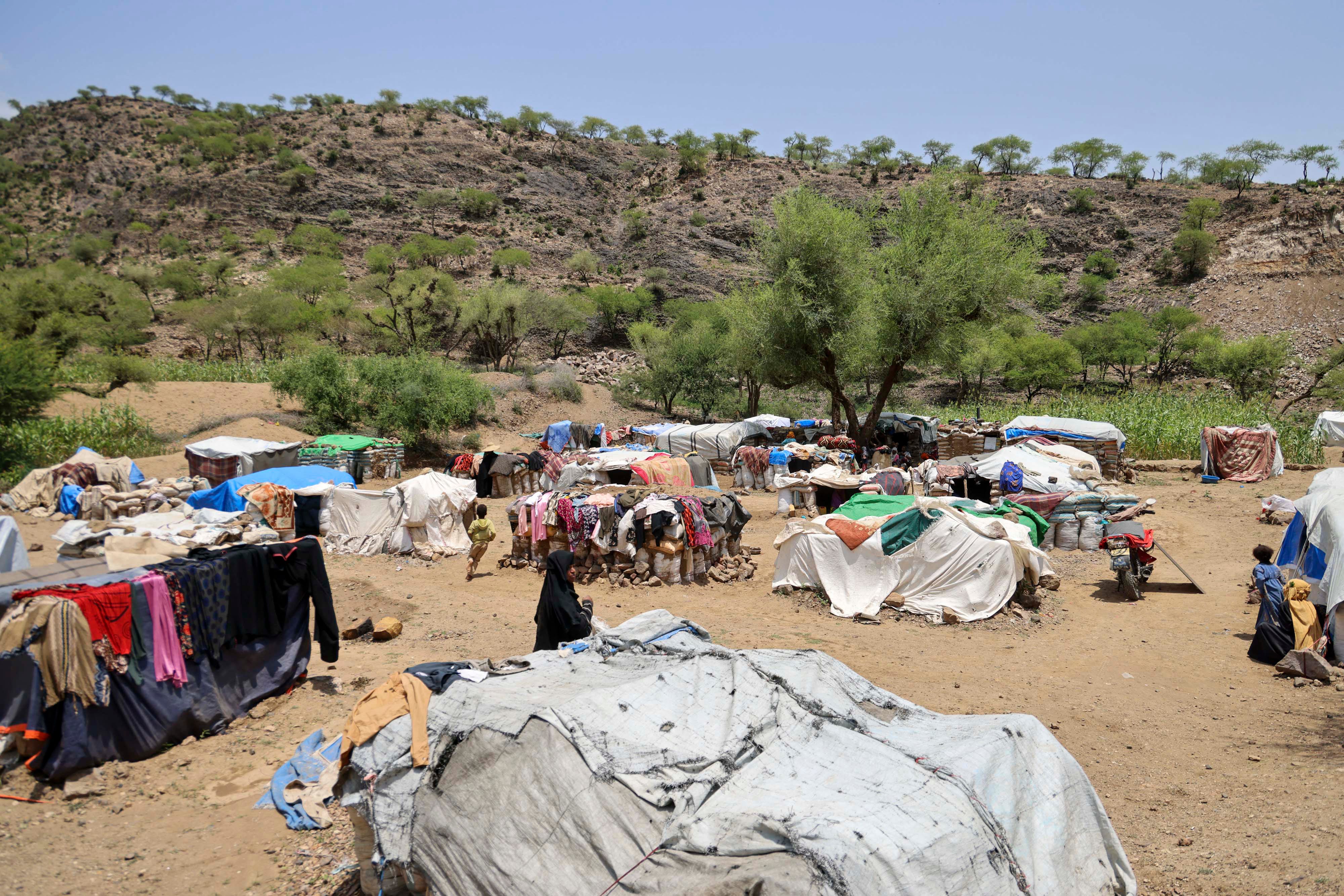
Between 2015 and 2022, a Saudi-led coalition waged a military campaign in Yemen, which, in some key aspects, resembled Israel’s genocidal actions in Gaza. British-built military jets played a central role as the Saudi Air Force bombed Yemen indiscriminately, helping to create what was described by the UN at the time as the world’s worst humanitarian disaster.
Major hostilities have now broken out again in Yemen, as a fragile truce between the Houthis and the Saudi kingdom collapses, and Saudi airstrikes resume. The Houthis’ attempt to blockade Saudi oil exports out of the Red Sea, exacerbating the effect of the Iranian blockade of the Strait of Hormuz, has led the Saudi regime to call on its allies, including the UK, for diplomatic and military assistance. Britain has reportedly agreed to send military advisers to assist the Saudis, with Burnham considering providing additional support.
Given past Saudi conduct, he should not do this. Instead, Britain should halt all arms sales to the Saudi regime and pay reparations for its own role in the devastation visited on the Yemeni people. If the Burnham government becomes embroiled in anything like the 2015-22 Saudi bombing campaign in Yemen, it could do to his premiership what complicity in the Gaza genocide did to Keir Starmer’s.
Into the quagmire
In March 2015, a Saudi-led coalition intervened in the Yemeni civil war. Their goal was to restore to power a government that had been overthrown by an insurgent group known as the Houthis. What they hoped for was a brief, decisive intervention. What they got was a quagmire.
The Saudi-aligned Yemeni government, with its thin social base, was quickly eclipsed by a disunited, dysfunctional constellation of anti-Houthi factions who between them failed to prevent the Houthis from creating a proto-state in north and west Yemen, where most of the population live.
The Saudi-led coalition’s campaign was characterised by the indiscriminate aerial bombing of civilian targets, including the apparently systematic destruction of agriculture, water and other civilian infrastructure, coupled with the imposition of an air-and-sea blockade on a desperately impoverished and largely import-dependent country.
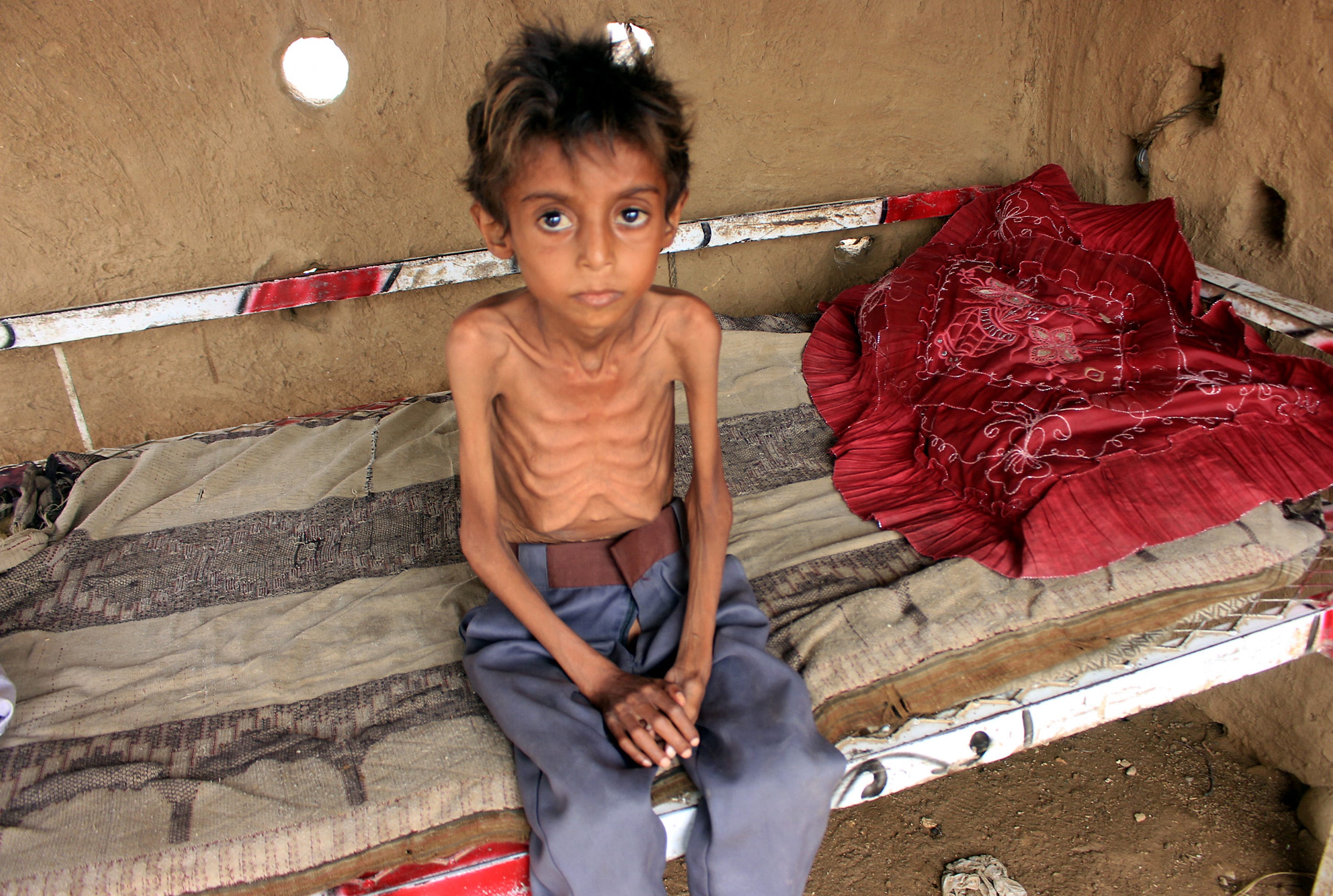
This bore all the hallmarks of a collective punishment campaign, not unlike that later witnessed in Gaza. The governments of the richest countries in the Middle East were apparently conspiring to pulverise and strangle the population of the poorest nation in the region. Between this and the Houthis’ own severe violations of international law, the conflict claimed an estimated 377,000 lives, 60% of them indirectly from causes such as hunger and disease, and 70% of them children under the age of five. The Saudi-led coalition stood credibly accused of using starvation as a war tactic, with international human rights groups and aid agencies uniting to urge an end to Western arms supplies.
Britain’s complicity
Many of the Saudi coalition’s air raids were conducted with British-built aircraft and bombs. At the start of the war, then-Foreign Secretary Philip Hammond declared that the UK would support the Saudi military “in every practical way short of engaging in combat”, including the resupply of spare parts and ammunition. The British state and its arms industry lived up to this promise: more than 6,000 government and contractor personnel worked throughout the war to support and maintain the Saudi Air Force, enabling it to continue operating. As one BAE Systems contractor disclosed, the fighter jets in question would have been rapidly grounded without the maintenance provided by Britain. Today, BAE Systems has around 7,000 employees in Saudi Arabia.
Despite there having been no meaningful accountability for Saudi atrocities in the 2015-22 conflict, the British government approved arms exports worth £464.8 million to Riyadh in the first quarter of this year, most of which is likely accounted for by the very air-to-surface missiles used in that earlier conflict. In approving the transfer of these arms, the Keir Starmer administration showed a striking lack of concern for their past and possible future use by the Saudi regime. Indeed, the de facto impunity conferred by this continuation of arms supplies only increases the likelihood of further war crimes as the conflict resumes.
Stop arms sales, start reparations
Plainly, Britain must stop these weapons transfers immediately.
But there is more it must do to honour the ethical principles invoked by the prime minister last week. Britain must take responsibility for its role in the 2015-22 devastation of Yemen by paying meaningful reparations to the Yemeni people.
In a new report I have co-authored with colleagues at CAAT and Transition Security Project, we set out how an appropriate sum for such reparations can be raised. According to our estimates, a windfall tax on profits made by two leading British arms companies (BAE Systems and Rolls-Royce) from weapons they sold to the Saudis for likely use in Yemen between 2015 and 2022 could raise up to £3.9 billion. The British state could match this sum by restoring the UK aid budget to 0.7% of gross national income and drawing its portion of the reparation payments from these funds. A total reparations payment of £7.8 billion, targeted at urgent humanitarian, reconstruction and development needs, would go a long way to building a better future for Yemen – especially if it were matched by similar arms export bans and reparations payments by other culpable states, not least the United States.
As our political class unites around the supposed need to double the military budget, Yemen offers us an opportunity to think about the true nature of British militarism. We are often told that we must sacrifice public services and social security to fund a military response to an undoubtedly more dangerous world. But the cases of Yemen and Gaza point to a hard reality that Britain’s militarists are less keen to grapple with: namely that in this dangerous world Britain and its allies are often, themselves, the danger.
David Wearing is an assistant professor in International Relations at the University of Sussex, an expert in UK foreign relations in the Middle East and the author of ‘AngloArabia: Why Gulf Wealth Matters To Britain’.
The views expressed in this article are the author’s own and do not necessarily reflect those of Zeteo UK.
More from Zeteo UK:


